Tree Health Assessment: Signs Your Trees Need Professional Care
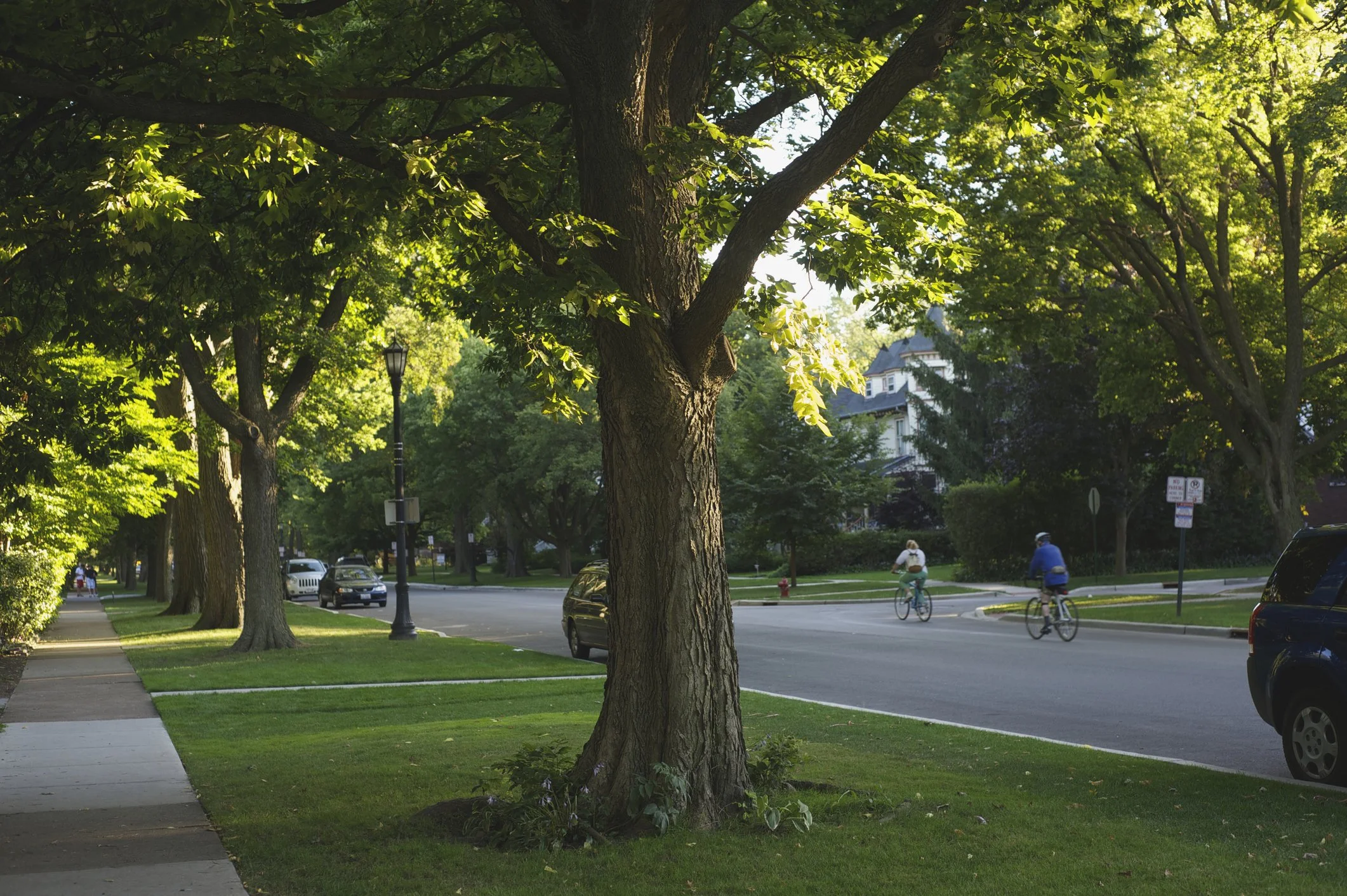
Mature, healthy trees with full canopies like these require regular professional assessment to identify potential problems early and maintain their beauty and structural safety for years to come.
Your trees are valuable—not just for property value and aesthetics, but for the shade, privacy, and environmental benefits they provide. Yet many homeowners don't notice tree problems until they become serious.
The difference between a tree that thrives for decades and one that fails unexpectedly often comes down to early recognition of health issues.
At Royal Palm Tree Services SRQ, we've spent years assessing tree health throughout the Sarasota area. In that time, we've learned that homeowners don't need to be arborists to recognize when trees need professional attention.
You just need to know what to look for. Let's talk about tree health assessment and the signs that indicate your trees need professional care.
Why Tree Health Assessment Matters
Trees that fail unexpectedly create multiple problems: safety hazards, property damage, costly emergency removal, and the loss of established trees that took decades to grow. Early recognition of problems prevents these scenarios.
Prevention Saves Money
Treating tree problems early costs far less than dealing with failures. A small disease caught early might be treatable. The same disease left unaddressed requires complete tree removal.
Safety Comes First
Hazardous trees threaten people and property. Identifying problems before failure prevents injuries and damage.
Preserving Mature Trees
Established trees provide benefits that new plantings take years to replicate. Professional care preserves these valuable assets.
Peace of Mind
Knowing your trees are healthy and being monitored professionally eliminates worry about what you might be missing.
Visual Signs of Tree Problems
You don't need climbing equipment or professional credentials to notice many tree health issues. Here's what to look for:
Dead or Dying Branches
Dead branches are obvious—they lack leaves, appear gray or brown, and feel brittle. A few dead branches is normal. Multiple dead branches throughout the canopy indicates problems.
What it might mean: Disease, pest damage, stress from drought or environmental factors, or simply branch age.
Sparse Foliage or Thin Canopy
Healthy trees have full, dense canopies. Sparse foliage or visible internal branches suggest health problems.
What it might mean: Disease, pest damage, nutrient deficiency, root problems, or environmental stress.
Discolored or Abnormal Leaves
Leaves should be vibrant and consistent in color for the species. Discoloration, spots, premature yellowing, or unusual patterns indicate problems.
What it might mean: Nutrient deficiency, disease, pest damage, or environmental stress.
Visible Pest Activity
Insects, egg masses, webbing, or sawdust-like material indicate pest problems that might require treatment.
What it might mean: Pest infestation that, if untreated, can weaken or kill trees.
Visible Damage or Wounds
Cracks, splits, peeling bark, or obvious damage creates entry points for disease and pest problems.
What it might mean: Storm damage, weather stress, improper pruning, or environmental damage.
Leaning or Tilting
Trees that lean or tilt might be repositioning due to root problems, soil instability, or structural issues.
What it might mean: Root damage, soil problems, or structural weakness requiring assessment.
Fungal Growth
Mushrooms, shelf fungi (conks), or other fungal growths on the trunk or branches indicate decay.
What it might mean: Internal rot or decay that weakens the tree and can eventually cause failure.
Root-Level Health Indicators
While roots aren't visible, they create visible above-ground signs when problems develop:
Exposed Roots
Roots becoming exposed suggests soil erosion, root system damage, or underlying structural problems.
Soil Heaving or Settling
Soil around the tree base heaving or settling indicates root movement or structural instability.
Recent Wilting Despite Adequate Water
If trees are watered regularly but still wilt, root problems might prevent water uptake.
Mushrooms Around Tree Base
Fungi fruiting around the base often indicates decay in roots or the lower trunk—serious concerns.
Sarasota-Specific Tree Health Issues
Living in Southwest Florida means dealing with specific tree health challenges:
Salt Spray Damage (Coastal Properties)
Trees near the coast experience salt spray damage that causes browning, leaf drop, and branch dieback. This is recognizable but often fixable with proper care.
Root Rot and Fungal Diseases
Florida's humidity creates ideal conditions for fungal diseases. Ganoderma butt rot and other diseases are serious and often fatal.
Pest Problems
Palm weevils, scale insects, and other pests thrive in our climate. Early detection allows treatment before serious damage.
Environmental Stress
Soil compaction, poor drainage, and nutrient deficiency create stress that weakens trees' ability to fight disease and pests.
When to Call a Professional
Many tree issues can be addressed with professional care. Here's when to definitely call:
Call Immediately If:
Trees are leaning significantly
Major branches are cracked or split
Visible fungal growth (conks) appears on the trunk
Trees show signs of serious pest damage
Trees are near structures and showing obvious problems
Trees were damaged in storms
Call Soon If:
Multiple dead branches appear in the canopy
Foliage is sparse or discolored
You notice pest activity
Trees have visible wounds or damage
You haven't had professional assessment in several years
You're concerned about any aspect of tree health
Schedule Regular Assessment If:
Trees are large and mature
Trees are near structures or property
You have multiple trees with unknown health status
You want proactive care rather than reactive treatment
What Professional Assessment Involves
When you call a professional tree service, here's what to expect:
Visual Inspection
The arborist examines the entire tree—canopy, trunk, base, root zone—looking for visible problems.
Health Evaluation
Based on visual signs, they assess overall tree health and identify specific issues.
Risk Assessment
They evaluate whether the tree poses safety hazards and what risks might develop if problems aren't addressed.
Treatment Recommendations
They recommend specific actions—pruning to remove hazardous branches, treatment for pests or disease, removal if necessary, or preventive care.
Clear Explanation
Good arborists explain findings in understandable terms and answer your questions thoroughly.
Treatment vs. Removal Decisions
Sometimes trees can be saved with proper care. Sometimes removal is the appropriate choice. Here's how professionals approach this:
When Trees Can Be Saved:
Early disease detection with available treatments
Minor pest infestations caught early
Structural problems that pruning can address
Trees that respond to environmental improvements
When Removal Makes Sense:
Fatal diseases with no available treatment
Severe structural damage or failure risk
Trees that pose ongoing hazards
Trees that interfere with development or construction
Trees that are already significantly compromised
Honest Assessment
Good professionals tell you honestly whether trees can be saved or removal is appropriate. They're not trying to maximize service calls—they're trying to manage your trees appropriately.
Preventive Tree Care
The best approach is preventing problems before they develop:
Regular Professional Inspection
Annual or biannual inspections catch problems early when they're most treatable.
Proper Pruning
Removing dead wood, improving structure, and maintaining proper form prevents many problems.
Disease and Pest Monitoring
Regular assessment catches infestations and diseases before they become serious.
Environmental Management
Proper irrigation, mulching, and soil management support tree health and resilience.
Storm Damage Response
Prompt professional assessment and treatment of storm damage prevents secondary problems.
Serving Sarasota's Trees
We're proud to have spent years caring for trees throughout the Sarasota area, including:
Sarasota
Bradenton
Siesta Key
Venice
Sarasota Springs
And surrounding communities
We understand Sarasota's specific tree health challenges and know which trees thrive here and which struggle. We're invested in keeping the community's landscape healthy and beautiful.
Schedule Your Tree Health Assessment
Don't wait for obvious problems or tree failure to assess tree health. Professional assessment identifies issues early when they're most treatable.
We'll evaluate your trees, identify any health concerns, and recommend appropriate care. Whether your trees need treatment, preventive care, or unfortunately removal, we'll provide honest assessment and professional service. Your trees are valuable. Professional care keeps them healthy, safe, and beautiful for years to come.
Frequently Asked Questions
Q: How often should trees be professionally assessed?
A: Most trees benefit from annual inspection. Large, mature trees, or those showing any concerning signs should be assessed more frequently. We can recommend a schedule based on your specific trees.
Q: Can trees with disease be saved?
A: Sometimes. Early detection is critical. Some diseases respond to treatment; others are fatal regardless. Professional assessment determines what's possible for your specific situation.
Q: What's the difference between a dead branch and a diseased tree?
A: A dead branch is a single branch that's died—the tree itself might be perfectly healthy. A diseased tree shows widespread health problems throughout the canopy. A few dead branches is normal; extensive dead branches indicate disease.
Q: How much does tree health assessment cost?
A: We provide free assessments. There's no cost and no obligation. We'll examine your trees and discuss findings and any recommended care.
Q: What if I'm not sure whether my trees need professional attention?
A: When in doubt, call for assessment. It's better to have a professional look and determine no action is needed than to miss a problem. We're happy to evaluate any concerns.
Royal Palm Tree Services SRQ has been serving Sarasota, Bradenton, Venice, and Siesta Key with professional tree care for years. Contact us today at (941) 780-9535 for your free tree health assessment.